
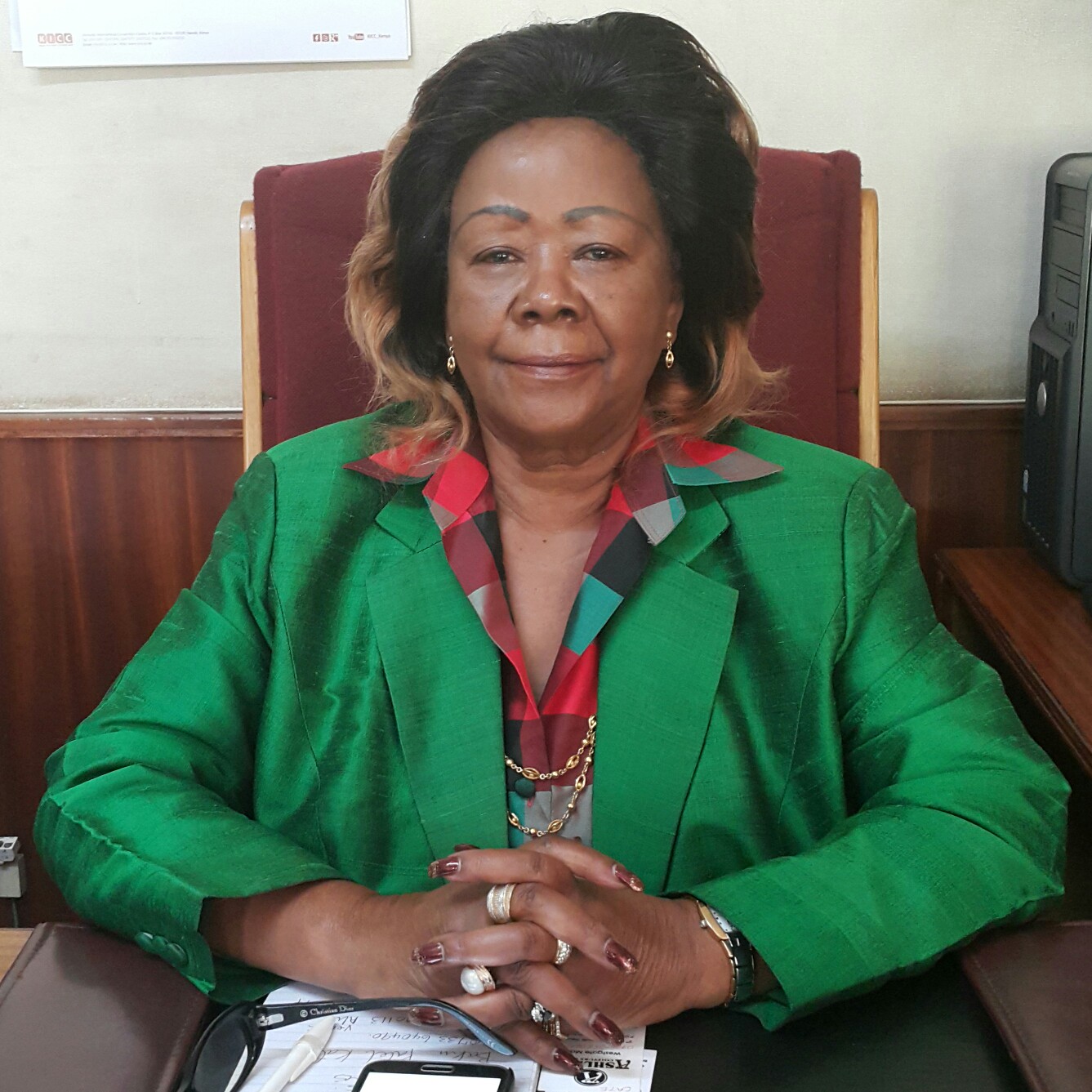
When history remembers Kenya’s journey toward gender equity, one name rises with the steady authority of a seasoned executive and the quiet grace of a matriarch: Nyiva Mwendwa. Long before “women’s empowerment” became a buzzword in boardrooms and policy summits, she was already bending the arc of possibility—first in 1974, when she became one of the few women in Kenya’s Parliament, and decades later, on the global platform where the world gathered to reimagine the future of womanhood.
That moment came in 1995, at the Fourth World Conference on Women in Beijing—a landmark assembly that set the operational blueprint for gender equality worldwide. And Nyiva, with her deep political intuition and her lived experience navigating male-dominated systems, became one of the pivotal figures in Kenya’s delegation.
Stepping onto the world stage
By the time Kenya sent its high-powered delegation to Beijing, Nyiva Mwendwa had already established herself as a veteran legislator, a strategic thinker, and a leader who balanced old-world dignity with forward-looking vision. She embodied the very blend the global conference sought—women who understood the weight of tradition yet carried an unshakable mandate to challenge it.
In Beijing, Nyiva served not merely as a participant but as a symbol:
A woman who had broken ceilings in Parliament long before it was fashionable, and who understood—deeply—the structural barriers facing African women.
Her presence communicated something corporate and catalytic: Kenya was ready to benchmark itself against global gender standards.
Nyiva Mwendwa: A trailblazer wrapped in courage, conviction, and quiet storms
The conference that redefined the playbook
The 1995 Beijing Conference wasn’t just another UN meeting. It was a seismic strategic shift. Leaders from 189 countries came together to shape the Beijing Declaration and Platform for Action, still regarded as the most comprehensive global roadmap for advancing women’s rights. The agenda stretched across 12 critical areas, including:
- Women’s participation in leadership and decision-making
- Education and training
- Health
- Economic empowerment and enterprise development
- Violence against women
- Human rights and governance
Nyiva’s contributions—built on her own life navigating patriarchal structures—infused the Kenyan delegation with both authenticity and authority. She was a senior voice advocating for:
- Enhanced visibility of African women in political leadership
- Protection of women facing social, political, and economic vulnerability
- Gender-responsive policymaking in national development strategies
In corporate terms, she helped position Kenya as a regional champion for gender mainstreaming, signaling a willingness to align domestic priorities with global best practices.
The infamous fashion controversy — and the leadership beyond it
No conversation about Nyiva in Beijing escapes the media storm around her wardrobe. As Minister for Culture and Social Services, she brought a hairdresser along—perfectly standard practice in global delegations that require public-facing representation. The controversy that followed in Kenya was loud, unfair, and distracting.
But Nyiva handled it with strategic calm typical of her leadership style.
She focused on the mission.
She kept her eye on the deliverables.
And she refused to be derailed by noise.
This moment, though often spoken of jokingly in Kenyan political folklore, is actually a case study in how women leaders are scrutinized differently—and yet rise above it with grace.
Driving policy back home
After Beijing, Nyiva became one of the strongest voices championing the domestication of the Platform for Action in Kenya. She pushed for:
- Gender units in ministries
- Increased budget allocations for women’s programs
- National gender policies
- Elevation of women into senior leadership roles
- Stronger protections in law for vulnerable women
Her work contributed to the expansive gender reforms that would later shape Kenya’s Constitution, policies, and development plans.
In business-speak, she was one of the earliest architects of Kenya’s “gender transformation agenda”—a long-term strategic initiative whose dividends are still being realized today.
A leader who built bridges
Nyiva Mwendwa’s performance at the Beijing Conference remains one of the standout chapters of her public life. It was an inflection point that aligned:
- Her personal journey
- Kenya’s national priorities
- Global momentum toward women’s empowerment
She walked into that global hall as a Kenyan trailblazer—and returned home as part of a global vanguard.
Today, as she continues her twilight years at 83, her Beijing legacy stands tall: a reminder that leadership is not just about holding office, but about shaping the agenda, anchoring the conversation, and creating space where none previously existed.
Nyiva Mwendwa didn’t just attend the Beijing Conference.
She carried Kenya there.
She brought the world back home.
And she left a timeless footprint on the global march toward equality.