

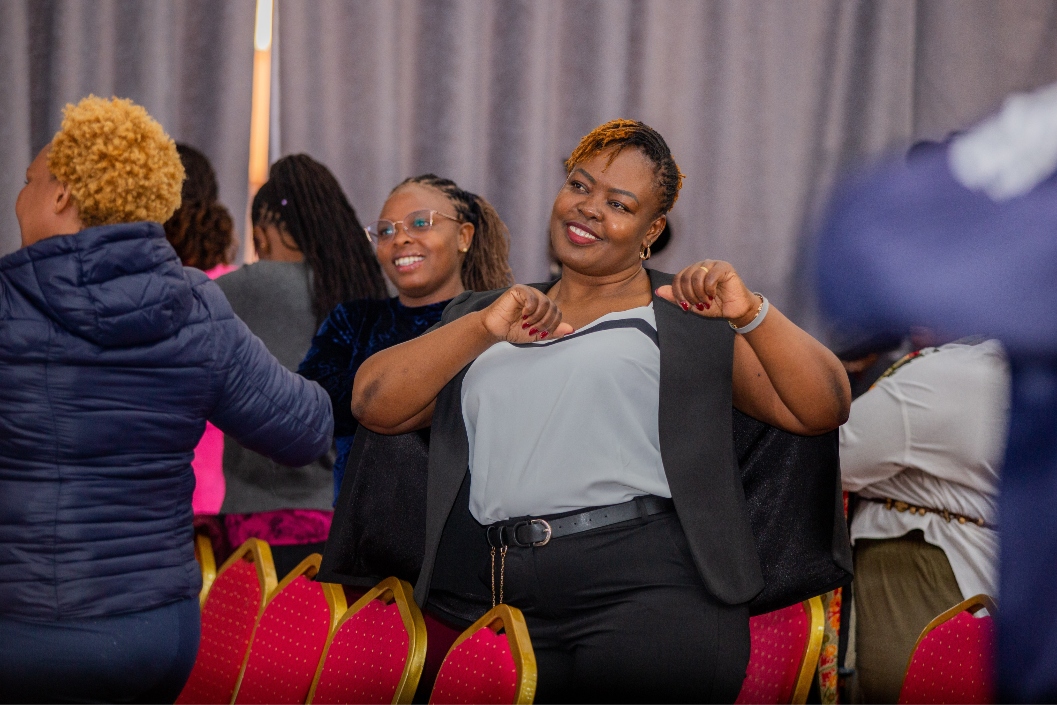
Stakeholders gathered at the Kenya Institute of Special Education in Nairobi for the International Day of Older Persons, the public narrative naturally leaned toward welfare, caregiving, and social protection. Voices like Shakira Khawaja, founder of Suqoon Kenya, rightly stressed the urgent need for family support, healthcare access, and financial safety nets.
Yet, framing older persons purely as vulnerable beneficiaries misses a far bigger picture: Kenya’s elderly are not merely recipients of care, they are vital, untapped catalysts for national stability and economic resilience.
In many Kenyan households, particularly across rural counties and informal urban settlements, older persons form the structural backbone of the domestic economy. Senior citizens—especially grandmothers—provide primary childcare and household management, enabling younger parents to participate in the formal and informal workforce.
World Vision Kenya calls for protection of humanitarian workers as global risks escalate
In an agricultural economy facing climate volatility, older farmers possess generations of localized knowledge on soil resilience, seed preservation, and intercropping. Through land ownership and micro-savings networks (chamas), older Kenyans frequently serve as crucial safety nets and seed-capital providers for youth entrepreneurship.
Treating eldercare as a purely philanthropic endeavor creates policy blind spots. When senior citizens face systemic barriers—such as forced retirement without micro-finance access, age-based discrimination in community governance, or unmanaged chronic illness—the financial burden shifts directly onto working-age family members. Shifted from a traditional welfare-only lens focused on passive aid, an integration and empowerment model unlocks active inclusion, turns seniors into economic mentors, and strengthens overall family productivity.
A modern approach to aging in Kenya requires moving past traditional dependency models to build environments where older adults actively participate in socio-economic life. This includes establishing formal mentorship pipelines where retired professionals and skilled elders train young entrepreneurs in vocational, trade, and agricultural skills.
Financial service frameworks can also be adjusted so older citizens can access capital for small-scale ventures without restrictive age caps. Finally, designing public spaces, transport, and community centers to encourage physical mobility and active civic participation reduces the health costs associated with isolation.
Reframing elder care is not just a matter of compassion—it is an economic strategy. By pairing robust social protection with opportunities for active participation, Kenya can turn demographic aging into a source of enduring community strength.