
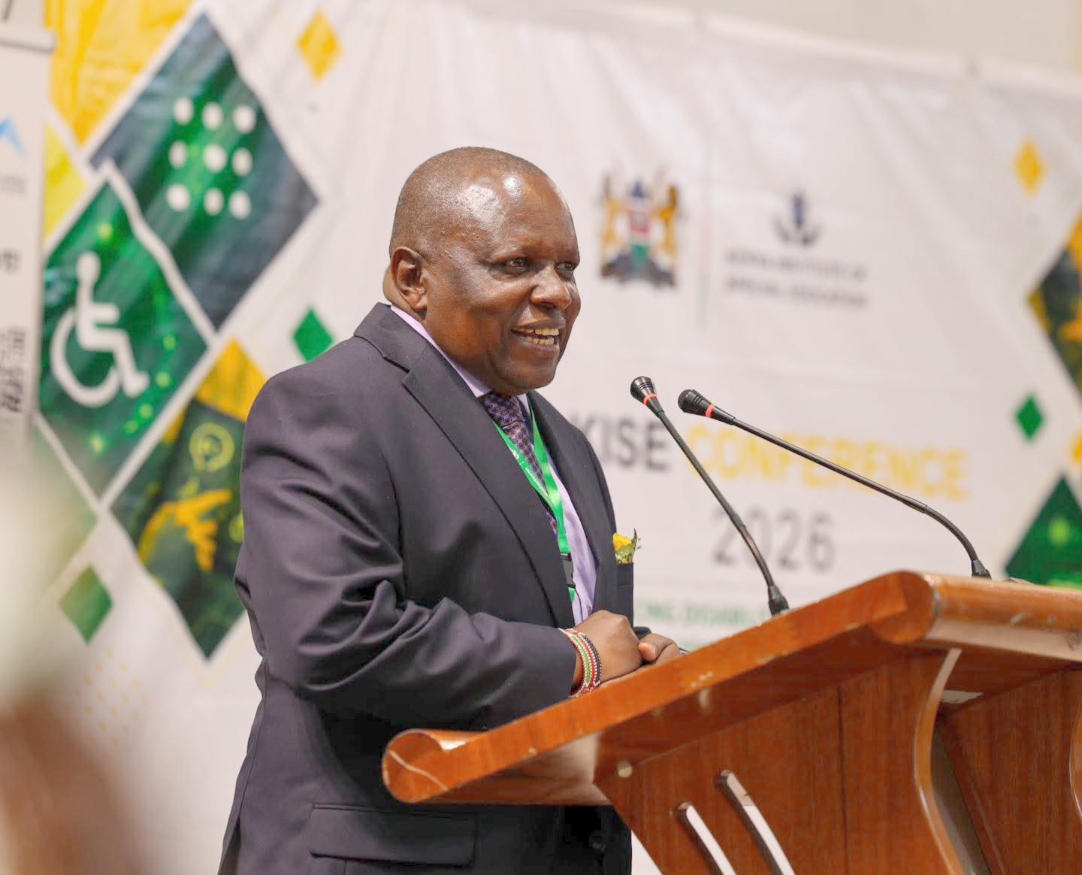
The urgent appeal comes in response to alarming statistics revealed during the recent conference at the institute, which highlighted that over 90 percent of learners with disabilities across the country currently lack access to basic assistive devices and learning aids. Although civil works for the state-of-the-art facility are already complete, the required funding will be directed toward equipping the factory and scaling up local production of mobility equipment, wheelchairs, and specialized classroom materials.
Industry leaders noted that producing these critical items locally will drastically lower procurement costs, eliminate reliance on expensive foreign imports, and ensure devices are readily available to thousands of marginalized students who are currently excluded from standard educational environments. Beyond manufacturing, delegates emphasized the urgent need to expand and strengthen assessment services across the country. Proper evaluation ensures that learners receive customized equipment tailored to their specific physical or cognitive needs, maximizing the educational impact of every device provided.
KISE launches groundbreaking diagnostic tool to identify gifted and talented learners
Alongside physical infrastructure, participants at the two-day forum highlighted the crucial role of digital innovation and artificial intelligence in overcoming physical and learning barriers. Tech innovators emphasized that adaptive software and digital assessment tools can provide tailored learning pathways for students who struggle in traditional classroom settings due to cognitive or physical challenges. Experts argued that artificial intelligence should be embraced as a key driver of economic productivity and inclusive growth rather than viewed as a threat to traditional employment.
By leveraging digital platforms and remote work opportunities, young graduates and individuals living with disabilities can access local and global job markets without needing to relocate. To sustain this momentum, conference leaders urged the government to expand support for technological innovation hubs and regular university expos, positioning Kenya as a regional leader in developing and exporting inclusive technological solutions while ensuring every learner receives the support needed to fully participate in society.