

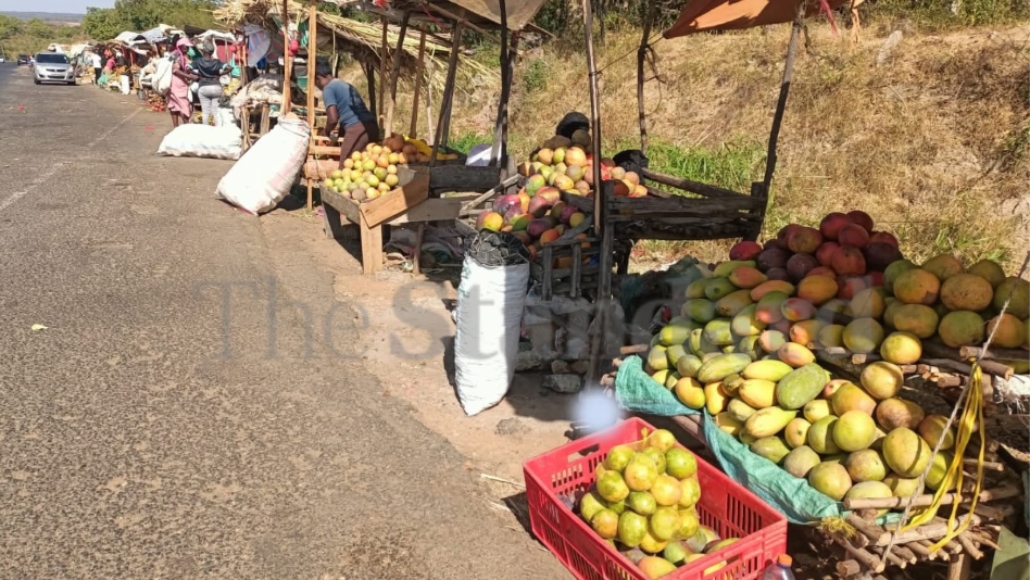
When hotter-than-usual weather triggered mango overproduction in Murang’a County this season, schools across Kenya started seeing a surprising boost in attendance and meal consumption thanks to a simple addition to daily meals:
Food4Education, which serves 600,000 children daily, is planning to absorb 1.3 million kilogrammes of surplus mangoes from Murang’a farmers, over half of what traditional processors could not handle, and distributing them through programs like Dishi Na County in Nairobi.
The impact has been immediate and measurable:
- Karen C School: 903 children served on Mango Day (+203 kids, largest jump of the term)
- Mutuini Kitchen: Meals increased from 16,500 → 17,850 (+8%), consistently serving 17,000+ since mango introduction
- Ruiru Kitchen: 20,700 → 21,300 meals on Mango Days (+600), with sustained attendance on non-mango days
- Komarock Kitchen: 12,301 → 13,450 meals (+9.3%, highest this term)
- Kiambaa Kitchen: Record-breaking 9,102 meals (+6.1%)
- Roysambu Primary: 2,400 → 2,649 meals (+10.4%), showing potential for further growth
- Muthangari Kitchen: 10,300 → 10,971 meals (+6.5%), highest ever
- Donholm Kitchen: From 2,100 → 2,573 children served on Mango Day; sustained weekly increase +6.9%
- Dandora Kitchen: Mondays, typically lowest attendance, hit 14,121 meals (+2.7%), driving the highest weekly average since January
- Kwa Njenga: 13,951 pupils served (+8%), highest this year
“This is school attendance in action, children are coming to school, staying nourished, and enjoying their meals,” said Wairimu Nyandia, Chief Operating Officer at Food4Education. “Fresh, nutrient-rich mangoes are driving consistent engagement and measurable impact across our programs.”
School Feeding as a Climate-Smart Solution
Food4Education’s approach demonstrates what climate-smart sourcing looks like in practice: responding to both shortage and surplus while maintaining program momentum. In previous seasons, when drought affected maize, alternative grains like sorghum and millet were used. This year, when mango production roughly doubled expectations, surplus fruit was absorbed into school meals, turning a potential crisis into opportunity.
“This shows how school feeding programs can stabilize attendance and nutrition while supporting local economies,” said Wawira Njiru, CEO of Food4Education. “Children show up, stay engaged, and benefit from healthy, nutrient-rich meals—even on non-mango days.”
The initiative also contributes to economic resilience for farmers, supporting 5,000 Murang’a smallholders by creating a market for their surplus produce. Food4Education sources 80% of its ingredients locally, engaging farmers, aggregators, transporters, kitchen staff, and supply chain partners.
Climate Volatility Requires Innovative Responses
With Kenya importing roughly $50 billion in food annually, climate-driven shortages and surpluses are increasingly common. School feeding programs operating at scale can act as stabilizers—absorbing surplus, pivoting as needed, and maintaining consistent service for children regardless of market fluctuations.
“This is school feeding functioning as a market-responsive, child-focused intervention, not just a government spend,” said Njiru. “We are building systems that respond to climate volatility, turning potential crisis into opportunity while keeping children fed and engaged.”
The mango initiative is part of Food4Education’s broader strategy to integrate local procurement, flexibility, and climate-smart approaches, demonstrating that school feeding can enhance attendance, nutrition, and community livelihoods simultaneously.