
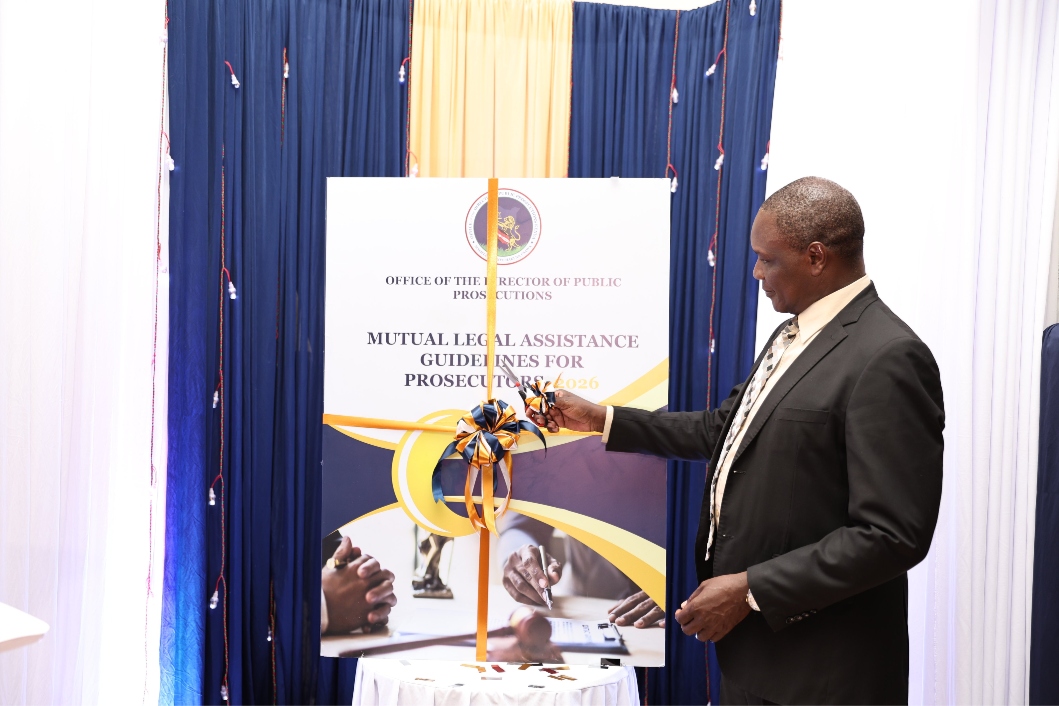
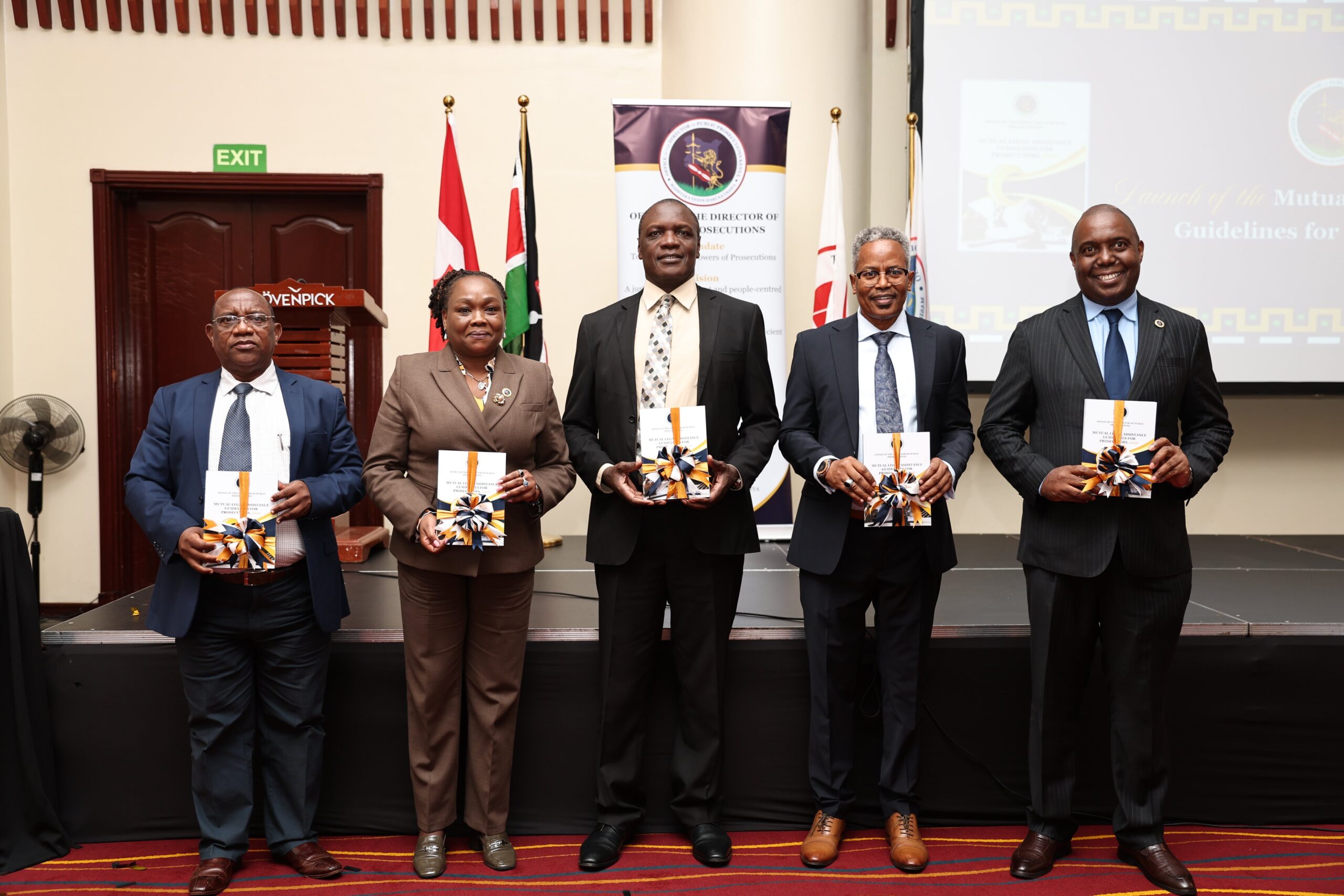
Kenya’s prosecution system is about to become much more efficient with the launch of new Mutual Legal Assistance (MLA) Guidelines by the Office of the Director of Public Prosecutions (ODPP).
These guidelines aim to reduce delays in handling cross-border criminal cases by simplifying how prosecutors request and share evidence with other countries.
The guidelines were introduced by Secretary for Prosecution Services Alloys Kemo on behalf of Director of Public Prosecutions Renson Ingonga. They shift the focus from a centralized system to a more decentralized and responsive approach.
For years, prosecutors dealing with international cases had to send requests through ODPP headquarters in Nairobi. This process often caused long delays, especially for cases from remote areas and border regions.
Now, with the new guidelines, prosecutors across the country can start and process Mutual Legal Assistance requests from their offices. This change will help eliminate bureaucratic delays.
Officials say this adjustment will save time and prevent the loss of important evidence, which can happen when requests for international help take too long.
“These guidelines introduce clear timelines and procedures, making sure that requests are made and answered quickly. This is critical because the quick securing of evidence is vital to justice,” Kemo said.
The ODPP mentions that this move is a direct response to the increasing complexity of crime. Suspects now often operate across borders and use technology and global financial systems to avoid capture.
ODPP following up investigations into death of IEBC officer
By improving coordination with international partners, these guidelines are expected to enhance the quality of cases brought to court and increase conviction rates in transnational crimes.
In addition to boosting efficiency, the reforms also aim to make justice more accessible. Victims of cross-border crimes, who usually endure long waits due to procedural delays, will benefit from quicker case processing and resolutions.
The development of these guidelines was backed by international partners, including the Institute for International Justice (IIJ), the British High Commission, and the U.S. Embassy. This collaboration highlights the global nature of modern crime and the need for joint solutions.
The ODPP has announced that the next step will be a nationwide campaign to inform and train prosecutors so that the guidelines are effectively put into practice at all levels.
With these reforms, Kenya is preparing to respond more quickly and effectively to the challenges of transnational crime while enhancing the overall justice system.