

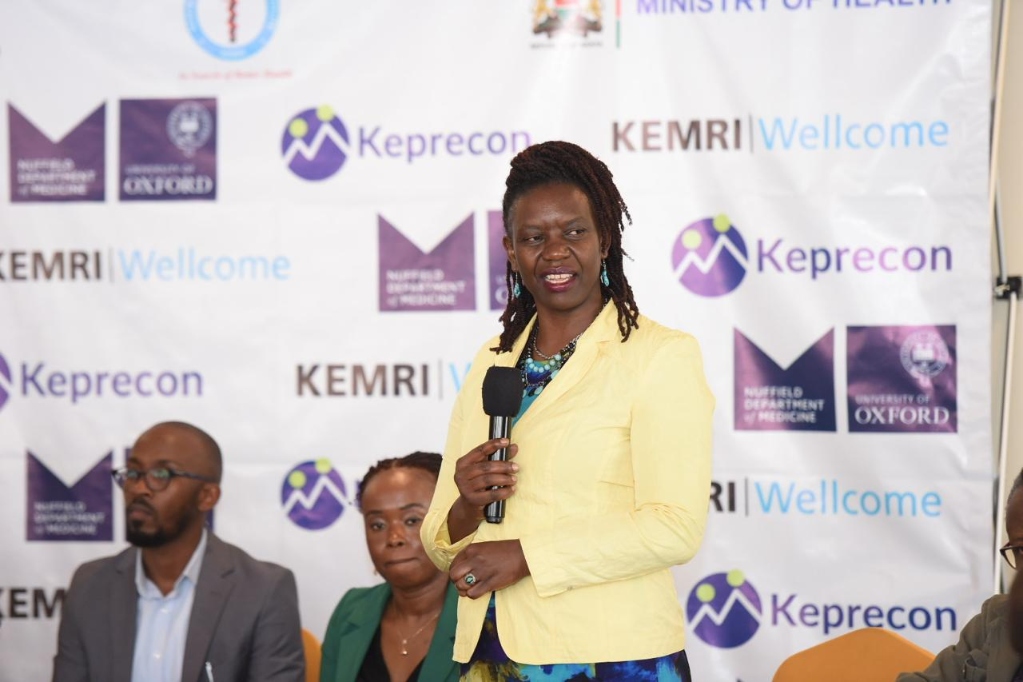
A multi-disciplinary study, Harnessing Innovation in Global Health for Quality Care (HIGH-Q), has revealed how workforce issues influence the quality of care in newborn units (NBUs). The research highlighted the effect of severe nurse staffing shortages in Kenyan hospitals as a major obstacle to providing quality care for newborns.
Despite global progress in reducing child mortality, neonatal mortality remains persistently high in sub-Saharan Africa, and many countries, including Kenya, are striving to meet the Sustainable Development Goal target of reducing neonatal deaths.
President Ruto Pardons 5061 Petty And Long-Term Offenders
Different interventions may be needed to improve neonatal care but introducing better medical technologies to ‘upgrade’ hospitals has received special attention. Whilst better technologies can improve neonatal care, a key factor in their successful use, is Nurses, who provide sick babies’ care for 24 hours every day they are in hospital.
Nurses remain the primary providers of essential care for sick and premature newborns, responsible for monitoring, feeding, administering medication, hygiene, and emergency interventions. However, in low- resourced settings like Kenya, severe nurse shortages and high patient loads adversely affect the delivery of this care.
https://biznakenya.com/tabitha-atieno-who-founded-cfk-africa/
The HIGH-Q project undertook studies to investigate the effect of severe staff shortages on the care for sick babies. It went on to study how interventions involving the introduction of extra nurses and introducing a cadre of staff referred to as ward assistants, to support the nurses in the provision of noncritical care, might improve the care provided to sick babies. Additional studies explored whether targeted training on nurses’ communication skills might improve care.
The HIGH Q project, which is funded by the NIHR, involved 8 County Hospitals which are part of the Clinical information network, where the Newborn Essential Solutions and Technologies (NEST 360°) Programme intervention had been implemented. The project, which used Ethnographic and observational research, also explored the everyday experiences of nurses, the physical environment of NBUs, and mothers’ experiences within these settings.