

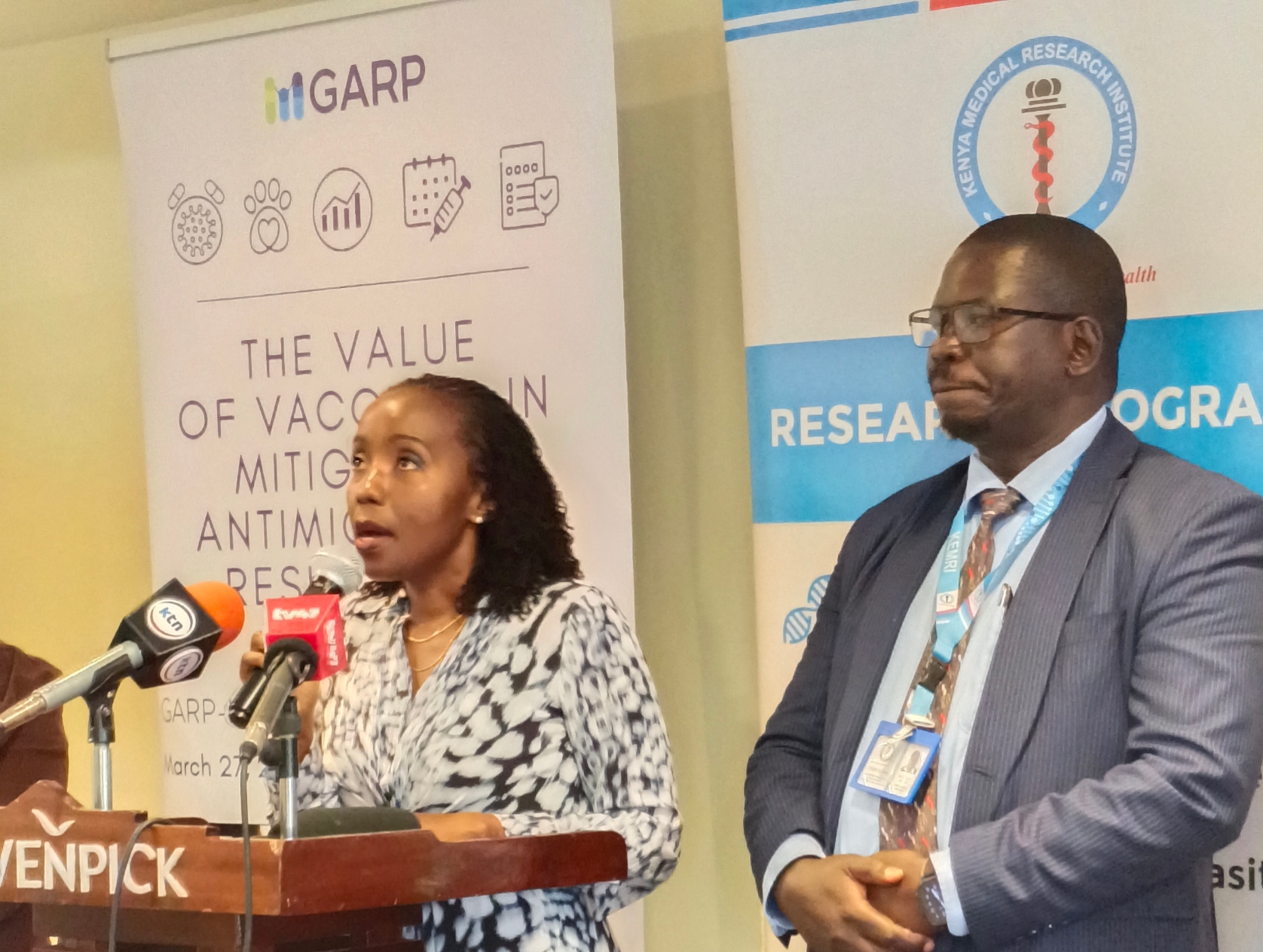
Nairobi, Kenya, Health experts are urging the government and stakeholders to make immunization a priority in .national health planning. They argue that preventing diseases through vaccination is much cheaper than treating them.
During a briefing with stakeholders, medical specialists and members of a technical working group pointed out the urgent need to improve vaccination programs. This comes as concerns grow over antimicrobial resistance and limited treatment options.
Prevention Over Cure
A key message from the discussion was straightforward: investing in vaccines saves lives and money.
Experts mentioned that the cost of treating infectious diseases keeps rising. In contrast, vaccines provide a sustainable and affordable way to lower illness and death rates. This is especially vital since the effectiveness of antibiotics is declining worldwide.
“It’s far cheaper to prevent disease through vaccination than to treat it,” one expert stated. They added that healthcare systems face increasing pressure from preventable illnesses.
Growing Threat of Antibiotic Resistance
Health professionals expressed serious concern about the rising challenge of antimicrobial resistance (AMR). This is particularly an issue in critical care and neonatal units, where infections that resist drugs are becoming more frequent.
Many current antibiotics were developed years ago, and few new options are available. Consequently, doctors often rely on older or repurposed drugs, which don’t always work.
This situation has led to higher mortality rates, especially among children, and increased treatment costs. It further highlights the need for preventive measures like vaccination and infection control.
Kenya turns to reforms and partnerships after losing over half of maternal health funding
Challenges in Vaccine Access
Despite the known advantages of immunization, several obstacles still prevent access in Kenya. These include:
- – Frequent vaccine stock-outs at health facilities
- Understaffing, with healthcare workers stretched thin
- Weak healthcare delivery systems in some regions
Experts noted that even when parents want to vaccinate their children, these systemic issues can delay access to needed services.
Call to Policymakers
Medical professionals are urging policymakers to take concrete actions by:
– Providing dedicated funding for immunization programs
– Strengthening healthcare infrastructure and workforce
– Ensuring a steady supply of vaccines across the country
They emphasized that immunization should be prioritized within the national health budget due to its proven advantages for public health and the economy.
Vaccines for All Ages
The discussion also stressed the importance of a life-course approach to vaccination, highlighting that vaccines are for children as well as adults and the elderly.
Older populations and those with underlying conditions like diabetes are especially at risk for infections such as pneumonia, many of which vaccines can prevent.
Combating Misinformation
The media was called on to play a crucial role in tackling vaccine hesitancy by addressing misinformation and myths about vaccines.
Experts pointed out that false beliefs, such as vaccines causing infertility or harm, continue to undermine public trust. They said that improving accurate communication is essential for increasing vaccine uptake.
A Collective Effort
The experts concluded by highlighting that enhancing immunization coverage requires collaboration among the government, healthcare providers, media, and the public.
With growing health challenges and limited treatment options, they emphasized that investing in vaccines is not just a medical necessity; it is also a wise economic choice.