

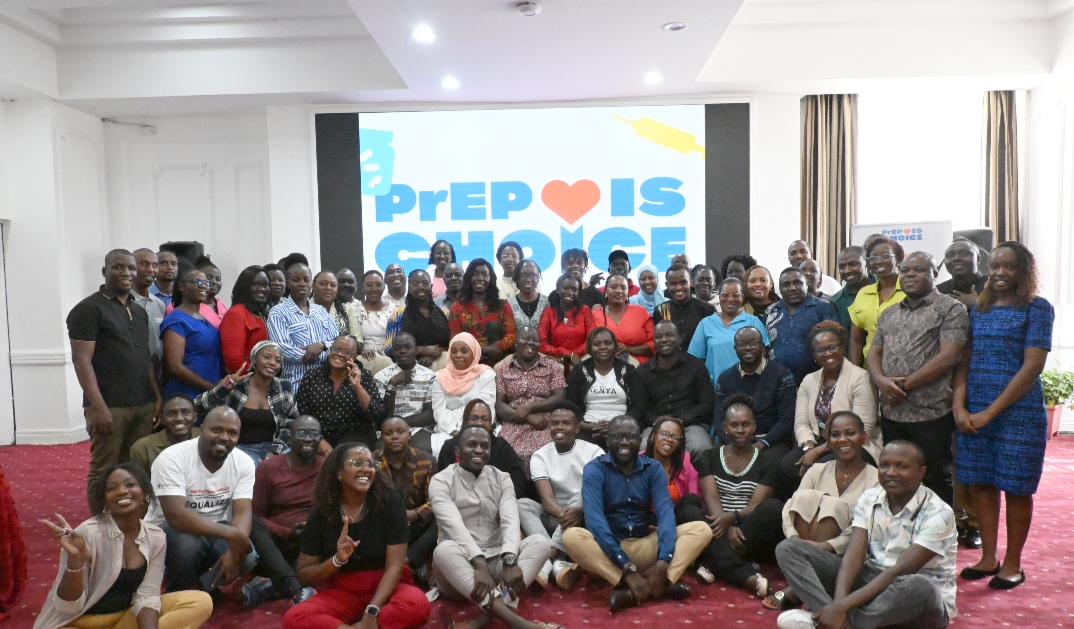
Lvct Health, an African data-enabled health organization, in partnership with the National AIDS and STI Control Programme (NASCOP) and 15 county governments, is convening a sharing and learning forum on the implementation of HIV prevention choice, including the new long-acting injectable options across Kenya.
The forum kicks off in Nairobi this week, providing a platform for the 15 ph ase 1 counties, namely Nairobi, Kiambu, Kajiado, Kisumu, Homabay, Siaya, Migori, Kisii, Kakamega, Busia, Uasin Gishu and Nakuru to share their first-hand experience on introducing the 2-monthly Cabotegravir and 6-monthly Lenacapavir alongside oral PrEP within routine health services.
The programme is being managed by Lvct Health, which has spent over 20 years delivering HIV and public health programmes through national and county systems to underserved groups.
Approximately 1.5 million people are living with HIV in Kenya, with about 13773 new infections recorded annually, according to the 2026 Kenya AIDS Progress Report by the National Syndemic Diseases Control Council (NSDCC).
Long-acting injectable PrEP options such as Cabotegravir and Lenacapavir are expected to help address some of the barriers that affect uptake of daily HIV prevention methods, including stigma, privacy concerns, and challenges with adherence, making it easier for individuals and communities to access prevention options that work for them. In the context of PrEP choice, individuals are provided an opportunity to select a product that responds to their prevention needs and fits into their lifestyle. Even with long-acting PrEP methods, daily oral PrEP still has dedicated users who must be supported to continue using.
Lvct Health, Executive Director, Dr. Lilian Otiso, said, “We have learned over the last two decades that new innovations succeed when communities are involved in designing their delivery within the health systems. This is about working with counties and communities to make prevention options available in a way that makes it easy for people to access and use. So, we focus on supporting counties to integrate HIV prevention innovations into routine services and effectively respond to the needs of the people they serve.”
Patriciah Jeckonia, Head of Policy & PrEP Technologies, Lvct Health, also stressed that, “For new HIV prevention technologies to be trusted by communities, they must first be well understood by communities and healthcare providers. It is evident that the HIV Prevention Ambassadors Training rolled out in the 15 counties has empowered HIV prevention champions with knowledge and skills on educating communities and linking them to PrEP services. This kind of facilitated learning provides an opportunity for counties to learn from each other, rapidly address challenges and scale-up best practices.
This forum has brought together community resource persons, county HIV coordinators, and healthcare providers, providing an environment to discuss the pertinent role of each stakeholder in improving access to quality PrEP services.”
Ruth Kamau, HIV prevention officer, NASCOP emphasized that, “ it is important for county teams to provide choice counselling that empowers communities to make the right decision. Providers should avoid biases that push the use of one PrEP method over another.”