
In a remarkable achievement, an international collaborative team from Kenya led by the world renowned researcher, Professor F. George Njoroge, as co-Principal Investigator, working at Kenyatta University Training , Referral and Research Hospital (KUTRRH )and United Kingdom team led by a co-Principal Investigator, Professor Robert Bristow working with University of Manchester (UoM) and Christie Foundation together with their teams crafted a grant proposal on transforming early detection of oesophageal cancer in Kenya. That proposal was submitted to UK agency, NIHR, and through a competitive process was awarded KES 446 Million for a three and a half years term. That effort was greatly supported through the leadership of current KUTRRH CEO, Madam Zeinab Gura and the former Chairperson of the Hospital board, Prof. Olive Mugenda.
In Kenya, esophageal cancer is the third most common cancer but with the highest mortality of all cancers at 4400 deaths per year (incident rate 20 per 100,000 population c.f. 1-3 per 100,000 population in Western countries). Although present-day therapeutic interventions of surgery, chemotherapy and radiotherapy can positively influence disease prognosis, cancer of the esophagus cancer remains a highly lethal disease in Kenya. Indeed, it has a case fatality rate of 99.3% due to late recognition of symptoms by both patients and health care workers. This is thought to be due to late onset and recognition of symptoms by the patient and general practitioner and a consequential delay leading to advanced disease and precluding definitive surgical intervention for cure. Hence, early diagnosis and accurate staging are paramount for optimizing treatment and prognosis of this disease. Potentially influenced by a combination of genetics, lifestyle, socio-economic and environmental factors, striking variations in incidence exist across geographic confines whereby Western and Central Kenya have the highest incidence.
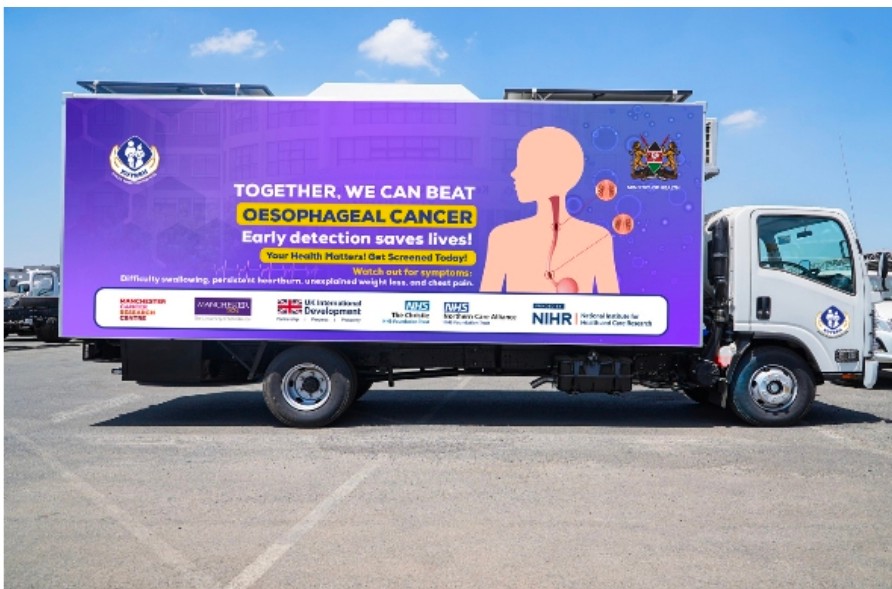
The basis of that research was to bring Univesity of Manchester and Christie NHS Foundation Trust and Kenyatta University Teaching, Referral and Research Hospital (KUTRRH) and Ministry of Health, Kenya to develop a long term equitable partnership that seek to improve cancer outcomes in Kenya. KUTTRH engaged other institutions such as Jomo Kenyatta University of Agriculture and Technology (JUKUAT), Kenya Medical Research Institute (KEMRI), Mount Kenya University and National Cancer Institute of Kenya. The three major aims of that research were (1) to co-create community engagement, where they learn in the selected counties about their knowledge, attitude and practices about esophageal cancer, its effects and accessibility of health services. We also needed to create awareness in the community so that those with suggestive symptoms present themselves early for examination and diagnosis (2) Since most Kenyans (about 75%) live in rural areas with low incomes, many of which are cut off from cancer centers that are mostly in urban areas (about 85%), we co-created an early detection process through a mobile endoscopy unit, to provide conditions necessary for successful examination and early diagnosis of esophageal cancer can be executed (3) we co-created a pathology capacity to understand genetics of esophageal cancer and possibly to identify biomarkers of cancer risk and to develop new cancer interception strategies to prevent or delay disease development or recurrence. Success of that research would reduce the morbidity and mortality of cancers, such as esophageal cancer.
The Nairobi Hospital trains boda boda riders in emergency response skills
Through a co created hub and spoke model, the team has combined community engagement, rapid pathology, and new genomic capacity to address a cancer that is often diagnosed too late, improving the chances of timely treatment. Working across five counties, namely, Meru, Kisii, Nyeri, Nakuru, and Kiambu, the team co designed community awareness campaigns, trained more than 400 clinicians, 500 community health workers, and introduced a mobile endoscopy service providing over 1,000 procedures. This partnership has revealed vital insights that will benefit patients in Kenya and those of African and Black ancestry in Manchester and across the UK. The programme is now informing national policy discussions and shaping future early detection strategies. This model of shared leadership, community partnership and reciprocal training offers a blueprint for equitable cancer detection across global and local systems.
The success of this international partnership between Kenya and UK researchers resulted in turning research into impact started by doing things differently – listening first, shared decision-making and designing solutions together.
Rather than replicating a UK model, the team created a mobile cancer screening model with Kenyan clinicians, community health workers and policymakers. They prioritized oesophageal cancer, a disease usually diagnosed too late in Kenya.
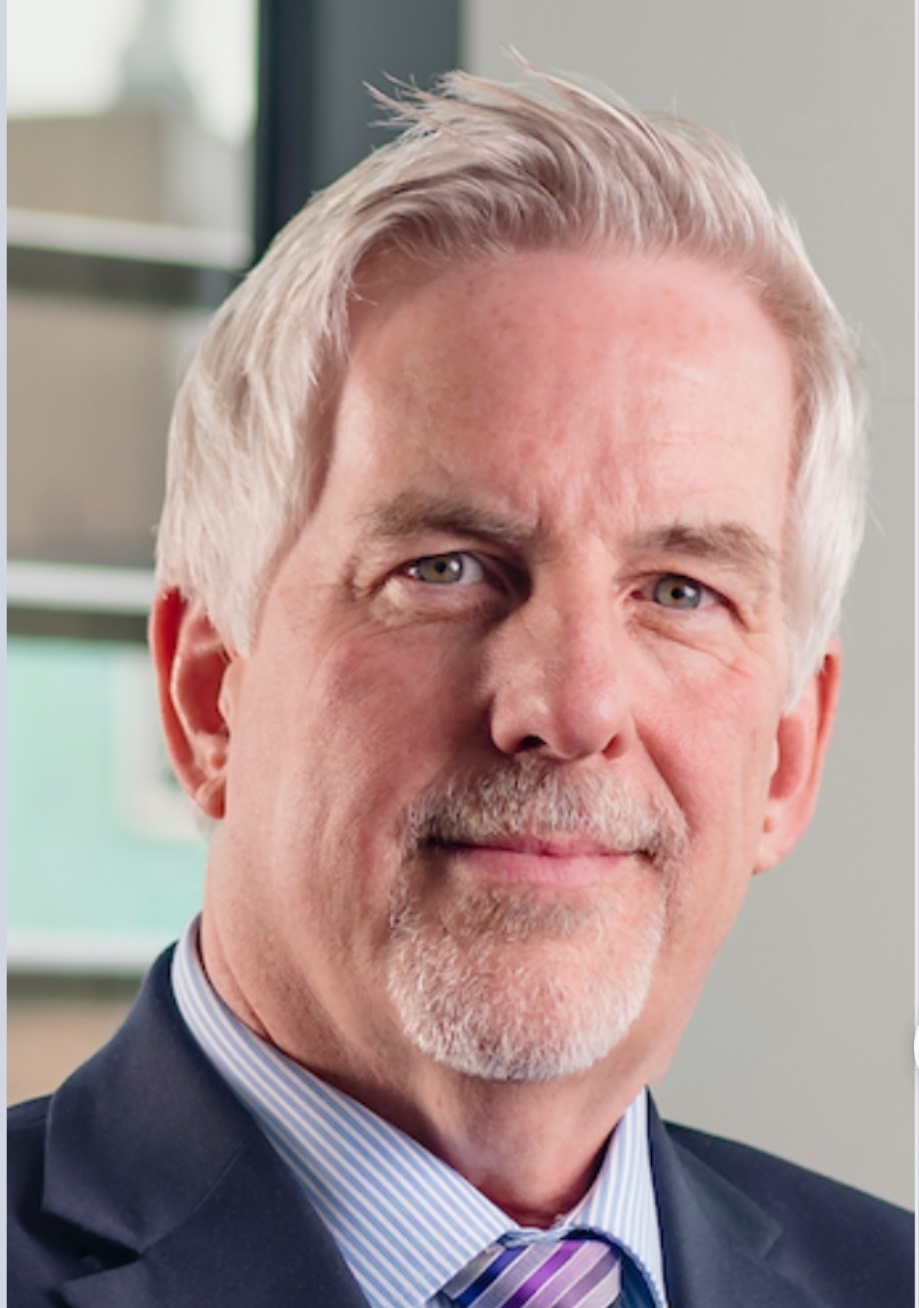
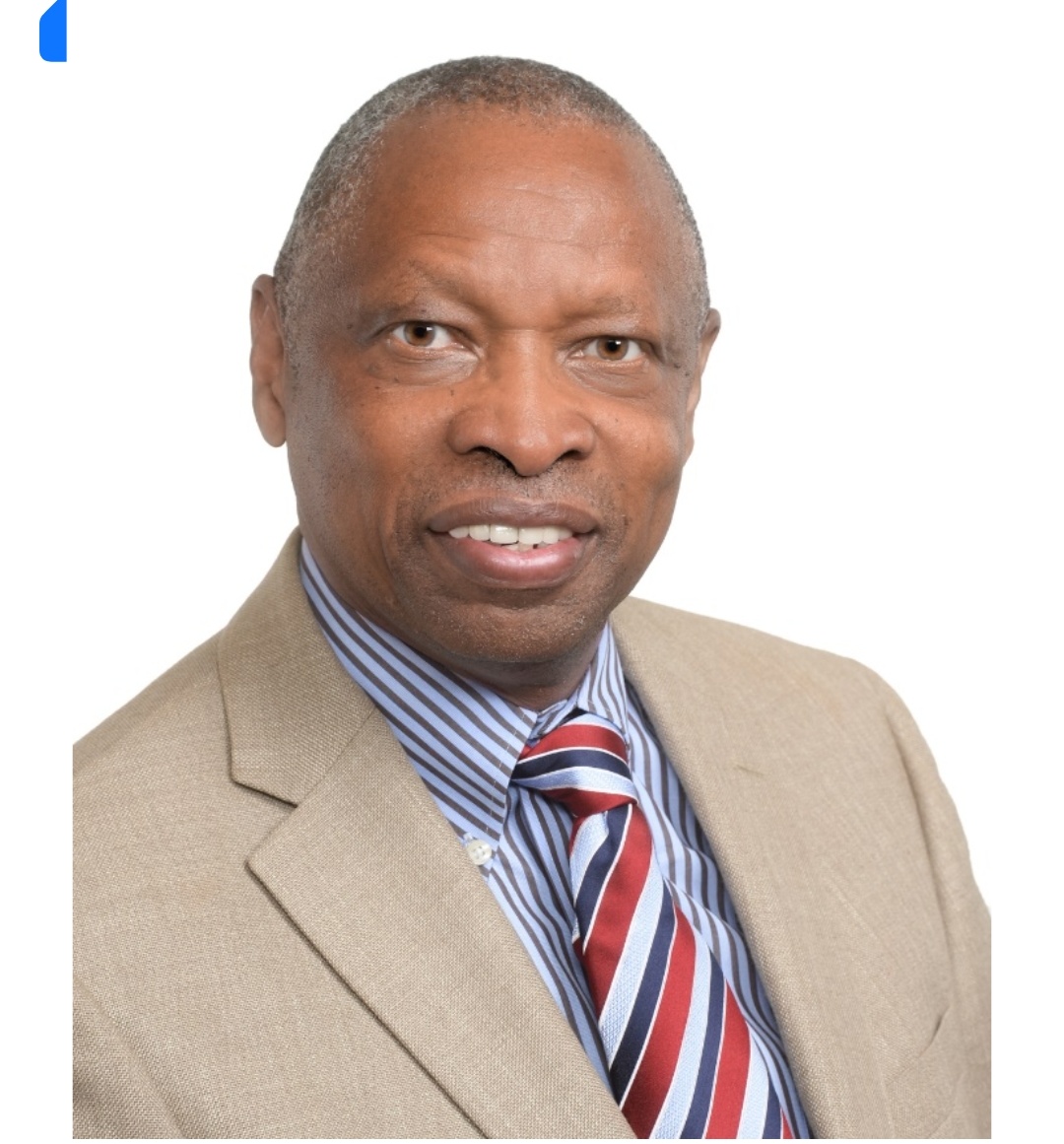 THE CO-PRINCIPAL INVESTIGATORS (PI) OF THIS PROJECT
Professor Robert Bristow is Director, Manchester Cancer Centre, Director, Cancer Research UK Manchester Centre, Senior Group Leader, Translational Oncogenomics, CRUK Manchester Institute, Chief Academic Officer& Honorary Consultant, The Christie NHS Foundation Trust, Cancer Domain Lead and University Professor of Cancer Studies, The University of Manchester
Professor George Njoroge the Chief Scientific Advisor at Kenyatta University, Referral and Teaching Hospital(KUTRRH), Council Chairman at Daystar University and Founder of Centre of Africa’s Life Sciences in Naivasha. A Renowned Drug Hunter
Our vision was to reduce the morbidity and mortality from esophageal cancer in Kenya using a joint approach and based partly on the successes of a One Manchester team approach to Early Detection. Current Manchester strengths in cancer early detection risk assessment & stratification, with further expertise in, behavior change and health psychology, health economics, data science and biomarker discovery. The aim was to reduce the burden of cancer across the whole of society especially in communities who are under served, thereby reducing health inequalities. To achieve that, we would create an environment where the best clinical and scientific minds can work together with patients and the public to offset the societal, health care and economic burden of delayed esophageal cancer diagnosis.
The team intended to develop a clinical outcomes unit which would capture the esophageal cancer patients’ outcome data and would be a template for a nationwide clinical outcomes unit for all cancers in Kenya
The result of that research was that Early cancers were detected, more clinicians were trained to help where need was greatest, and a model with the potential to scale nationally was created. Just as importantly, a partnership built on trust, shared ownership and long-term commitment blossomed. Our findings will be further communicated in several journal articles and health care decision makers including the communities that we dutifully serve.
It is through the outcome of that research and very informative findings that the Greater Manchester Cancer Award 2026 declared our team a winner in the research category.