
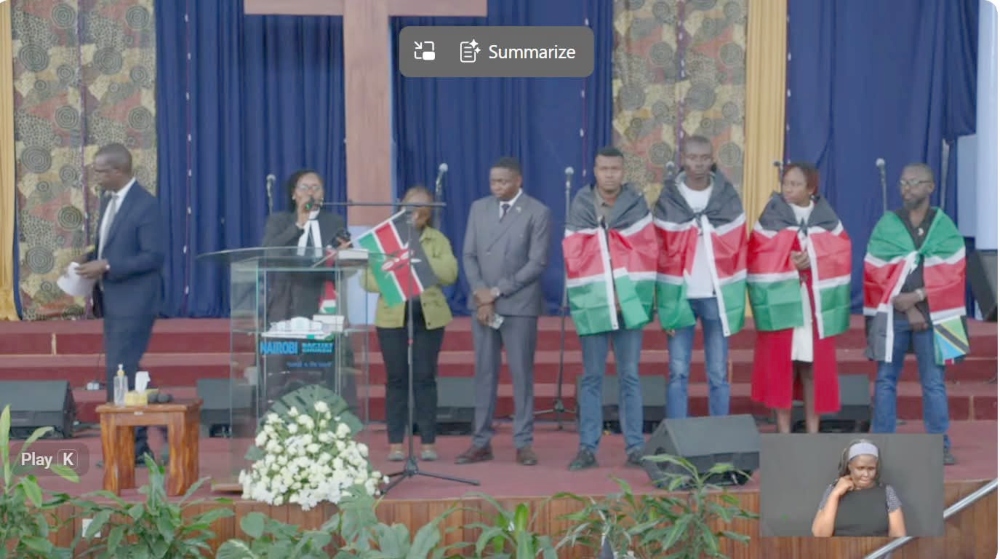
In a solemn interdenominational memorial service, religious leaders from across the country gathered today to honor the victims of the June 2024 GenZ-led demonstrations. The service, filled with heavy hearts and urgent calls for national reform, paid tribute to the 60 identified citizens who lost their lives and acknowledged the many others who remain undocumented, unidentified, or missing.
Speaking for the interdenominational clergy, church leaders delivered a strong message to government officials and security agencies: prayers and financial compensation alone will not mend the deep wounds in the nation. They argued that true national healing requires honesty and strict legal accountability.
‘Blood Pollutes the Land’
The clergy strongly relied on scriptural and constitutional principles, warning against using money to silence calls for justice. While welcoming the government’s proposed measures for restorative justice—which include financial compensation for affected families—the leaders cautioned that these payouts must not be used to hide failures of accountability.
“The families of the 60 Kenyans we have memorialized today need more than prayers or money. They need justice,” the statement said, referencing Numbers 35:33: “Bloodshed pollutes the land, and atonement cannot be made for the land on which blood has been shed, except by the blood of the one who shed it.”
NCCK condemns disruption of worship services by police
The religious leaders insisted on a clear distinction between financial aid and legal repercussions, demanding thorough, fair, and transparent investigations.
“Restorative justice must not be used to mask the need for retributive justice,” the clergy declared. “Every person responsible for an unjust death of a Kenyan must have a chance to take responsibility for real healing in our nation.”
A Stern Reminder of Article 1
Addressing the failures that led to the dark days of June 2024, the clergy reminded government officials that state power comes from the public. They pointed to Article 1 of the Kenyan Constitution, which states that sovereignty belongs to the citizens, not the ruling elite.
The statement noted that the real tragedy of the 2024 protests stemmed from a breakdown in communication, accusing leaders of being “unwilling to listen to each other” and ignoring the wisdom of being “quick to listen, slow to speak, and slow to become angry” (James 1:19).
Nationwide Sanctuaries Opened for June 25th
Looking ahead to the upcoming anniversary, the clergy called on the religious community to action. They urged all places of worship across Kenya to open their doors on Thursday, June 25, 2026.
These sanctuaries will serve as safe spaces where citizens can gather peacefully, pray, and remember their loved ones without fear of government interference. Clergy members nationwide will be present to support grieving families, offer counseling, and pray for the restoration of public trust and national values.
A Call for Restraint and Peace
As tensions rise and old memories return, the religious leaders made a dual plea to both the state and the youth. Security forces were urged to “exercise maximum restraint” and protect citizens without resorting to the lethal force seen two years ago.
At the same time, the clergy encouraged young people and the public to stay strong, hopeful, and engaged in shaping the future of the country, emphasizing that all civic expressions must remain peaceful.
The service concluded with a collective call for national humility and repentance, referencing 2 Chronicles 7:14, as the necessary path toward healing a wounded nation.