
At the heart of this conversation is the need for an Older Persons Act that would establish a comprehensive legal and institutional framework for protecting older persons, strengthening their participation in society, and supporting those who provide care.
Caring for older people is a shared responsibility involving families, communities, institutions, and government. Yet caregivers themselves often receive limited support despite carrying significant responsibilities.
Whether care is provided by family members, community-based workers, or institutions, caregivers need appropriate training, psychosocial support, respite services, capacity building, and social protection. Supporting caregivers is therefore not separate from caring for older persons; it is an essential part of ensuring that older people receive quality and dignified care.
An Older Persons Act could provide a framework for addressing these needs while setting clearer responsibilities for government and other stakeholders.
For institutional caregivers, government support could include technical assistance, appropriate funding mechanisms, capacity building, standards for care, and incentives that enable institutions to provide affordable and quality services.
But the conversation about older persons must go beyond care.
Kenya’s Social Protection Act, 2025 represents an important step in strengthening the country’s social protection framework. However, questions remain about how older persons can exercise meaningful voice, autonomy, and participation in decisions affecting their lives.
Representation in government structures is important, but representation should not be confused with self-representation. Older persons should have opportunities to participate directly in shaping policies, programmes, and institutions established to serve them.
How to Join NIS: Requirements for Certificate, Diploma & Degree Holders
This is particularly relevant to the principles of participation and inclusiveness under Article 10 of the Constitution and the specific rights of older persons recognised under Article 57.
An Older Persons Act could strengthen these constitutional commitments by recognising older persons as rights-holders and providing mechanisms through which they can participate meaningfully in decisions affecting their welfare, dignity, and future.
The legislation could also help clarify the roles of different government ministries, departments, and agencies in addressing issues affecting older persons.
As part of preparations for the 2027 IDOP conference, stakeholders could undertake a comprehensive mapping of government institutions to establish who is currently providing services, programmes, and resources for older persons and where opportunities exist for greater collaboration.
Such an exercise would help identify gaps and avoid duplication while bringing more ministries and agencies into the ageing agenda.
The role of communities and families would also remain important. Institutional caregivers can help rebuild relationships, strengthen social connections, and empower families to remain involved in the lives of older persons.
As people live longer, Kenya must also prepare for the changing realities of ageing. Every person is either a caregiver today, has been a caregiver, or could become one in the future. Preparing for ageing is therefore not an issue affecting only today’s older generation; it is an investment in the future of every Kenyan family.
The emerging debate should consequently move beyond viewing older persons primarily as recipients of assistance. They are citizens with knowledge, experience, skills, rights, and contributions to make to society.
The goal should be to create systems in which older persons are not merely consulted after decisions have been made, but are actively involved in shaping those decisions.
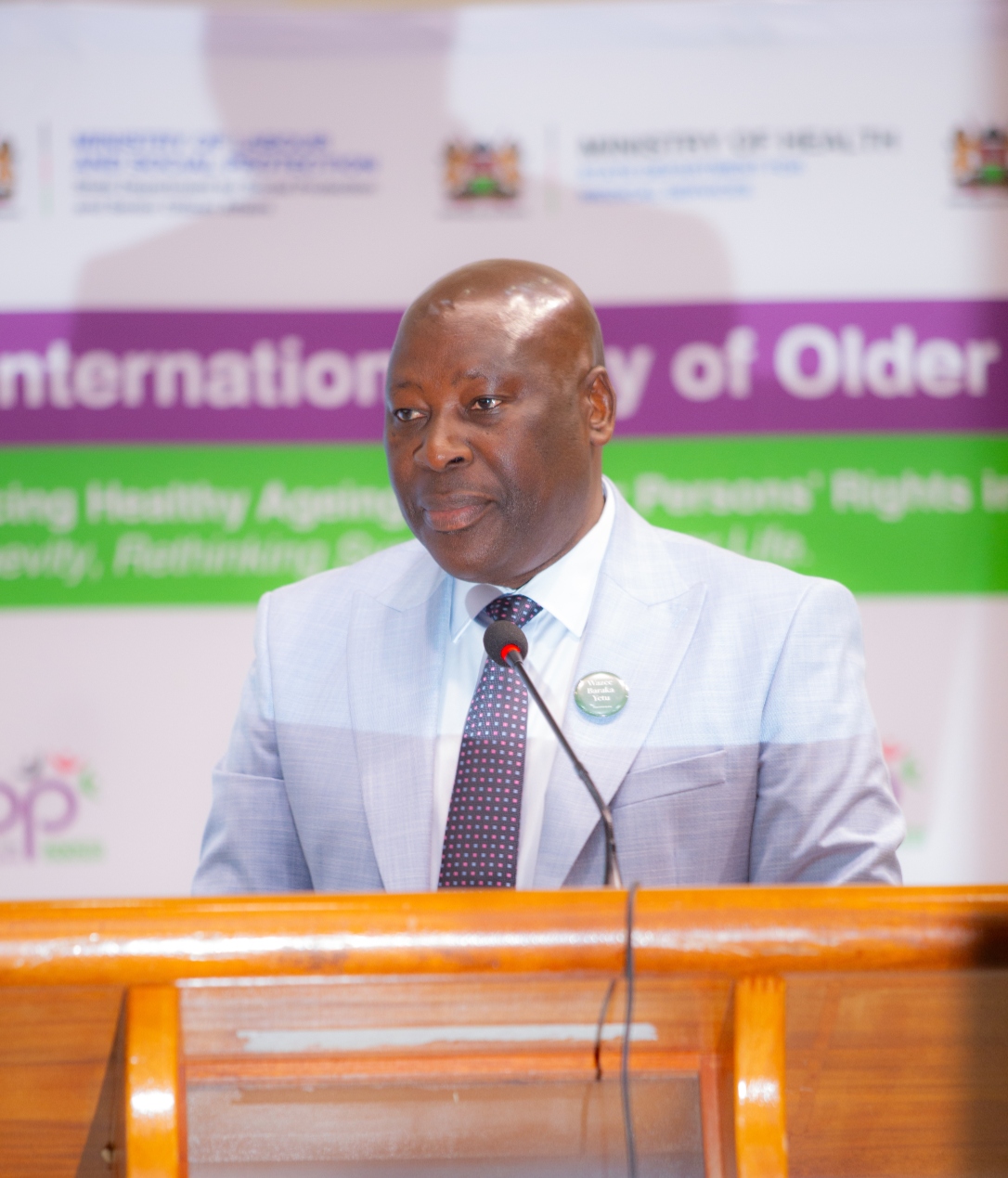
As Kenya looks towards the 2027 International Day of Older Persons, the message is increasingly clear: the country needs a stronger framework for ageing that protects older persons, supports caregivers, and creates meaningful avenues for older people to participate in decisions affecting their lives.
Nothing about older persons should be decided without the meaningful participation of older persons.