

The Judicial Committee of the Privy Council, the UK’s highest court of appeal, has dismissed two cases by disgraced Kenyan businessman Steve Mwagiru, bringing an end more than a decade of attempts by Mwagiru and his associates to extort Tatu City’s international owners.
The Judicial Committee, presided over by five justices of the UK Supreme Court, ruled that Mwagiru’s legal pursuits were “entirely misconceived”, after he repeatedly appealed adverse rulings all the way up to the Supreme Court of Mauritius, the tax haven where Mwagiru fraudulently claimed to hold shares in a Tatu City-linked company. The Judicial Committee, located in Parliament Square in London, remains Mauritius’ highest court of appeal.
The final blow to Mwagiru comes eight years after the London Court of International Arbitration, the world’s leading arbitration body, ruled that Vimal Shah, chairman of consumer goods manufacturer Bidco Africa, Nahashon Nyagah, former Central Bank of Kenya governor and Mwagiru should pay more than USD 20 million to Rendeavour, Tatu City’s owner, for defrauding the new city developer. To date, Shah, Nyagah and Mwagiru have failed to pay Rendeavour.
Back in 2008-2010, when Rendeavour acquired the Tatu City land and surrounding coffee farms, Shah, Nyagah and Mwagiru proposed to co-invest in the new city development. However, they could not raise the funds to pay, so Rendeavour arranged for a loan of USD 11 million. Soon after, the three Kenyans turned on Rendeavour, seeking to thwart the development of Tatu City through vexatious legal action designed to chase Rendeavour’s foreign direct investors from Kenya and steal the land.
Sun King launches first African manufacturing facility at Tatu City
“Steve Mwagiru, Vimal Shah and Nahashon Nyagah have played different roles at different times in this matter, but their modus operandi has been consistent: they have sought to intimidate and extort foreign investors,” said Stephen Jennings, founder and CEO of Rendeavour. “They thought we would panic and pay up. Yet we had unshakeable belief that the law would be applied to the facts. It has taken longer than we expected but, we are delighted that these flawed appeals against appellate decisions from the Mauritian courts have been robustly rejected.”
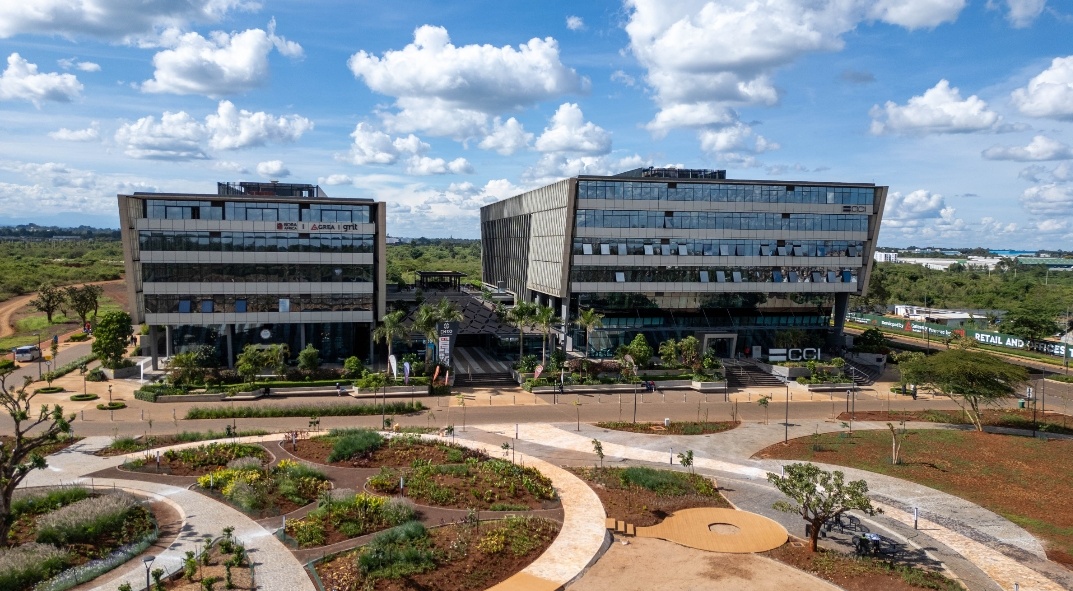
While facing down the extortion attempts, Tatu City forged ahead with tens of billions of shillings of investment by Rendeavour’s New Zealand, American, British and Norwegian shareholders. Tatu City has become a success story, home to 110 businesses, thousands of homes and residents, and more than 30,000 new jobs, attracting more than 60% of all foreign direct investment in Kenya on an annual basis. It is also home to more than 50 leading Kenyan companies.
As Mwagiru, Shah and Nyagah pursued legal cases in Kenyan, Mauritian and British courts, Rendeavour’s founder and CEO, Stephen Jennings, became increasingly vocal about their fraud. In an unusual move, Jennings held public seminars that detailed Shah, Mwagiru and Nyagah’s tactics, like a fake petition to Parliament, which was dismissed, and forging company registry documents to change shareholders to their family members and domestic staff.
The 2018 London arbitration case centred around a fraudulent misrepresentation made by Shah, Nyagah and Mwagiru on behalf of Manhattan Coffee Incorporated Holding, their holding company registered in Mauritius, that they had paid a USD 20 million deposit relating to the purchase price for land that has gone on to become Tatu City. The London tribunal ruled that no deposit had ever been paid and that their fraudulent misrepresentation had adversely affected Rendeavour’s investment strategy. In a 127-page written award, the arbitrator described parts of Shah’s testimony during the hearing as “insufficiently consistent with the documentary evidence”.
In a 2018 Financial Times interview, Shah stated that he was refusing to comply with the London court award, and so the matter of recognition and enforcement of the USD 20 million award moved to Mauritius.
Mauritius, like Kenya and the United Kingdom, is a signatory to the New York Convention on the Recognition and Enforcement of Foreign Awards, pursuant to which all signatory countries agree to enable prompt enforcement of an award validly obtained in another signatory state. While the USD 20 million award was promptly recognised in Mauritius, its enforcement took another eight years.
As Mwagiru faced a final reckoning in international courts, an embarrassing case in Kenya also reached a final verdict. In 2024, High Court judge Arsenath Ongeri dismissed Mwagiru’s third court attempt to reinstate him as a member of Nairobi’s Muthaiga Country Club. The club cancelled his membership in 2012 for urinating in the member’s bar and physically assaulting and verbally abusing staff.