

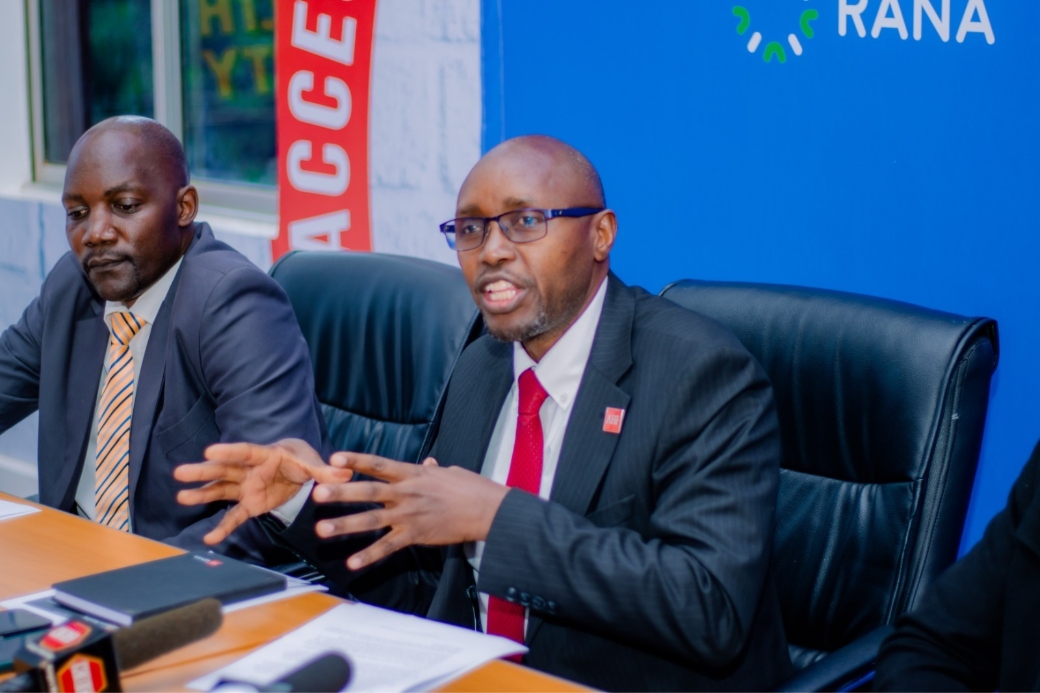
Nairobi, Kenya. The AIDS Healthcare Foundation (AHF) and civil society organizations are urging global leaders to prioritize fairness in the ongoing pandemic treaty negotiations. They warn that the world risks repeating the mistakes made during COVID-19 if urgent reforms are not implemented.
During a press briefing in Nairobi, health advocates emphasized the significance of the upcoming talks in Geneva. There, World Health Organization (WHO) Member States will meet to finalize negotiations on the Pathogen Access and Benefit Sharing (PABS) Annex. This is the last unresolved and most crucial part of the WHO Pandemic Agreement.
Dr. Samuel, Country Director of AHF Kenya, called the negotiations a pivotal moment for global health. He cautioned that the decisions made in the coming days will shape whether future pandemic responses are fair and inclusive, or continue to favor wealthier nations.
Civil society groups highlighted the glaring inequalities experienced during COVID-19. Although Africa makes up about 17 percent of the global population, it received less than 3 percent of vaccines in the pandemic’s early days. This occurred even though African scientists provided vital data on virus variants.
Pepsodent targets 500,000 pupils in school oral health drive
“Vaccines existed, but access was unequal,” said Daniela, National Coordinator of the People’s Health Movement Kenya Chapter. “This was a failure of solidarity, not science.”
Advocates are now demanding binding commitments within the PABS framework to ensure fairness. Key requests include mandatory benefit sharing, technology transfer for local manufacturing, financial contributions from pharmaceutical companies, and enforceable contracts for accountability.
They also rejected proposals for a dual system that would allow companies to access pathogen data without clear responsibilities, calling it a loophole that could undermine equity.
The outcome of the negotiations has significant implications for countries like Kenya. The nation is striving to increase local pharmaceutical production while still relying heavily on imports.
As the Geneva talks approach, AHF and its partners have urged high-income countries to prioritize fairness and have advised African negotiators to stand firm.
“The world has a choice,” Dr. Samuel said. “We can build a system based on solidarity, or repeat the mistakes of the past.”