
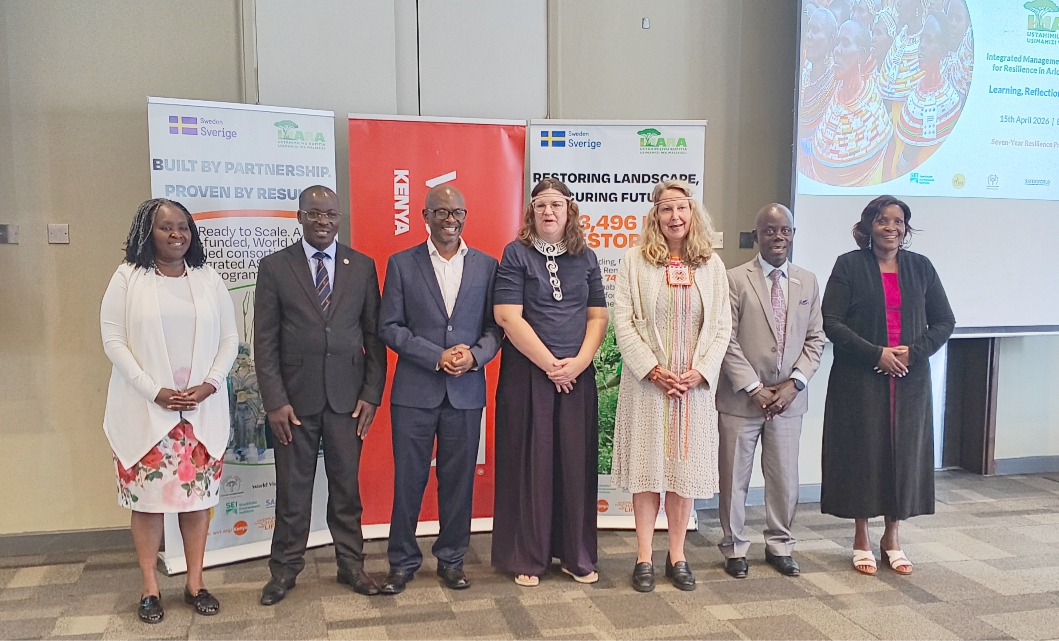
The IMARA Project is a seven-year climate resilience initiative funded with 211 million Swedish kronor. It is changing lives in northern Kenya by providing communities with tools to cope with climate change while fostering sustainable livelihoods. World Vision is implementing the project, which has become a model for community-led development in some of the country’s most climate-vulnerable areas.
The IMARA Project aims to tackle the environmental and economic pressures facing pastoralist communities. These communities have long been threatened by recurring droughts, land degradation, and resource scarcity. Instead of relying only on traditional coping methods, the project introduces practical, locally driven solutions that build resilience and create new opportunities.
A major focus of the IMARA Project is livelihood diversification. Thousands of beneficiaries have moved from depending solely on livestock to exploring alternative income sources like beekeeping, small-scale businesses, and crop farming. This shift has lessened vulnerability to climate shocks and improved household incomes.
Women and young people are leading this change. Through savings groups supported by the IMARA Project, women are coming together to pool resources, invest in businesses, and reach markets beyond their communities. These groups empower members to achieve financial independence, allowing them to support their families and ensure their children receive an education.
The project has also created new roles for women in conservation and income-generating activities that have typically been male-dominated. They are taking on responsibilities such as managing natural resources and engaging in honey production and trade. Women are increasingly influencing the economic and environmental futures of their communities.
World Vision Kenya marks international women’s day with call for action
Environmental restoration is another key part of the IMARA Project. Areas that were once severely degraded are now recovering thanks to tree planting and natural regeneration. Communities are encouraged to grow multi-purpose tree species like moringa, which provide both ecological and economic advantages. The seeds and leaves are harvested, processed, and sold locally and internationally, creating reliable income sources while improving the environment.
Traditional tree products, such as gums and resins, are also being marketed. By connecting communities with markets and private sector partners, the IMARA Project turns conservation efforts into real economic benefits. This strategy has motivated communities to protect and manage their natural resources sustainably.
Beyond improving livelihoods and restoring the environment, the IMARA Project is crucial in promoting peace. Historically, competition for scarce resources, especially water, has led to conflict in the region. To tackle this issue, the project has invested in water infrastructure like solar-powered boreholes and protected springs. This brings water closer to communities and helps reduce tensions.
Easier access to water has not only improved livelihoods but also reduced conflict between communities and across borders. Additionally, trade initiatives supported by the IMARA Project encourage interaction and collaboration among communities as they participate in shared markets for livestock, honey, and other products.
With over 47,000 direct and indirect beneficiaries, the IMARA Project showcases the impact of linking climate action with economic empowerment. By centering communities in developing solutions and ensuring that environmental conservation provides real financial benefits, the project is driving lasting change.
As climate challenges continue to grow, the IMARA Project stands out as a practical and scalable model. It demonstrates how resilience, sustainability, and community empowerment can work together to build a better future for generations to come.