
Kenya lost as much as half of its funding for maternal and neonatal health in 2025 following sharp cuts in donor support. Now, a new analysis of ten sub-Saharan African countries shows that Kenya responded to the funding crisis by aggressively pursuing partnerships it had previously explored and changing the law to allow facilities to collect and use the money they receive from patients.
A study that analysed Kenya and nine other countries showed that Kenya experienced a steep decline of as much as 55% in donor support, only rivalled by South Sudan and Uganda (52%). The country experienced disruptions in vaccine and commodity delivery and reduced outreach services, particularly for rural and marginalised communities. The other countries analysed are Uganda, Tanzania, Ethiopia, Nigeria, Malawi, Mozambique, the Democratic Republic of Congo, South Sudan, and Somalia.
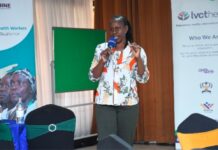
The report by the non-profit PATH, presented at the ongoing International Maternal Newborn Health Conference (IMNHC), showed that Kenya allowed health facilities to collect and use their funds immediately upon collection through a kitty labelled the Facility Improvement Fund. Initially, health facilities collected funds, but these were sent to county or national accounts, and facilities had to wait until the end of the year for the money to be returned after submitting budgets.
The report comes a day after the Director General for Health, Dr Patrick Amoth, said Kenya would increase domestic funding.
M-PESA Foundation promotes maternal health in Migori and Homa Bay counties
According to one of the researchers, Dr Caleb Mike Mulongo, the funding cuts found Kenya at a critical time when rising debt and low taxes constrain the domestic resources available for health. While the country had reached the target of collecting more than 15% of its GDP in taxes, more than 66% of its revenue was going towards debt servicing.
“For every shilling, 66 cents go to debt servicing, leaving less than 30 cents not only for healthcare but also for other public needs like education, security and others,” Dr Mulongo said.
Kenya’s maternal and neonatal care was heavily reliant on external funding, but the government had increased domestic expenditure to protect its citizens from out-of-pocket health expenses.
“This is particularly hard when more than half of the funding comes from sources that are not reliable and predictable,” Dr Mulongo said.
Rachel Ndirangu, PATH’s Regional Director of Advocacy and Public Policy, said the countries must increase domestic funding to primary healthcare.
“Primary health care is where maternal and child health becomes a reality for many families, ” Ms Ndirangu said.