

In October 2025, Kenya began a new economic chapter when the President signed the Privatization Bill into law. This law simplifies the sale or transfer of over 30 state-owned enterprises in key sectors such as ports, energy, agriculture, transport, and water services. This decision comes amid rising public debt, which is now estimated at KSh 11.8 trillion, over 83% of GDP, and increasing pressure from international lenders for quick reforms.
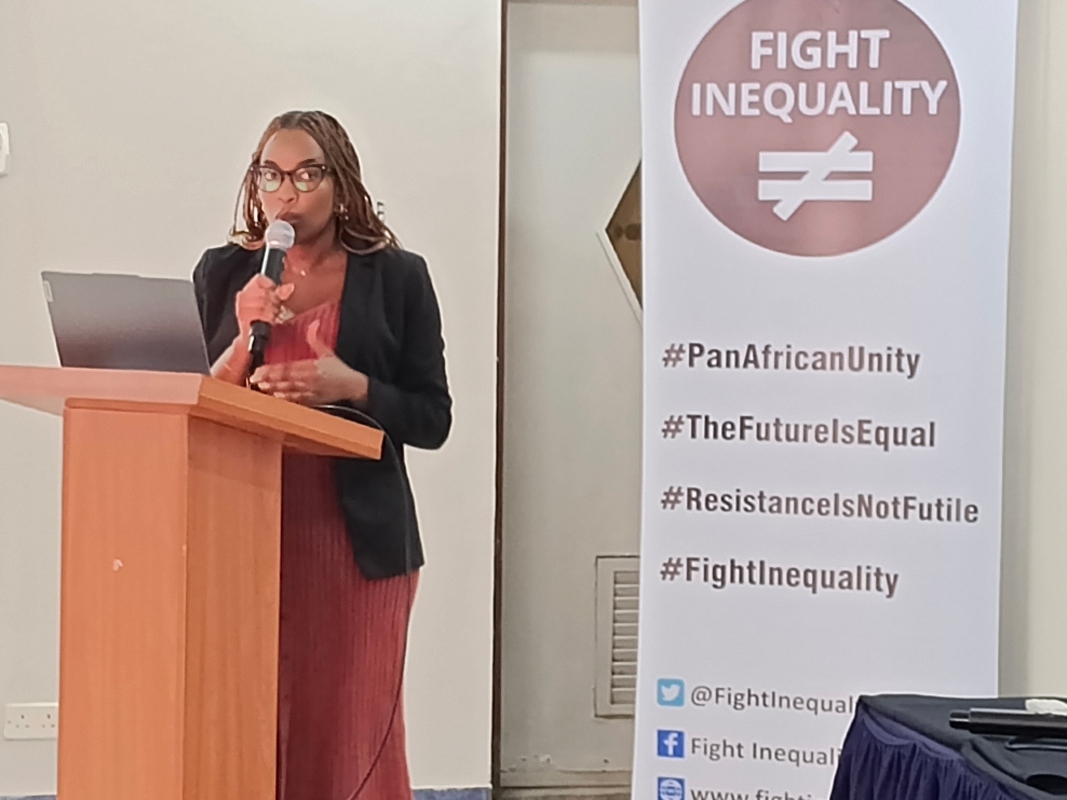
However, the Fight Inequality Alliance Kenya (FIA Kenya) has issued a serious warning about the privatization push. They see it as a threat to national stability, social welfare, and democratic accountability. During a national press conference, FIA Kenya described the bill as a rapidly approved plan that grants the National Treasury extensive powers to sell public assets with little oversight.
The Alliance argues that privatization—especially when driven by budget cuts and the conditions of external loans—could increase inequality, lead to job losses, weaken public services, and lessen the government’s ability to protect citizens during economic crises. FIA Kenya also points to past examples: partial privatizations at Kenya Airways and Telkom Kenya caused layoffs, rising debt, and expensive government bailouts.
Empowering dreams on two wheels: Emmanuel Mutoro’s journey with Glovo
The organization is calling for an immediate halt to all privatization efforts until clear social and financial impact assessments take place. It also demands a full parliamentary debate, meaningful input from citizens, and legally enforceable guarantees that any money from asset sales will be reinvested in essential areas like health, education, housing, and job creation.
FIA Kenya believes sustainable alternatives are available. These include removing unnecessary tax breaks, improving management in public enterprises, and adopting fairer international financial agreements.
As Kenya stands at a crucial point, FIA Kenya urges leaders to protect public goods, strengthen state institutions, and make sure essential services remain available to everyone, rather than treating them as commodities for the wealthy.