

Kibera isn’t just a slum; it’s one of the world’s most recognized symbols of urban poverty. Sprawled across more than 250 acres and home to hundreds of thousands of Kenyans, Kibera tells a story not of beauty, but of resilience in hardship. Here, residents often pay more for basic needs, water ferried in jerricans, electricity from illegal connections, and even a few shillings to use public toilets. The labyrinth of narrow alleys, lined with rusting iron sheets, traps heat, disease, and danger in equal measure. Fires can wipe out homes in minutes, and insecurity lurks at every corner.
But that story is beginning to change. A look at the upcoming Kibera Soweto Affordable Housing Project reveals a striking shift from endless rows of shanties to modern apartment blocks, from hopelessness to hope. The skyline tells of renewal. And this transformation isn’t limited to Kibera. Across the country, Kenya’s Affordable Housing Programme (AHP) is reshaping how families live, work, and dream.
From Park Road in Nairobi to Bondeni in Nakuru and Buxton in Mombasa, thousands of families have already moved into safer, cleaner, and more affordable homes. For decades, life in informal settlements like Mukuru was defined by fear and hardship. Fires broke out often, sweeping through congested shacks and leaving families destitute overnight. Narrow, overcrowded pathways made it nearly impossible for emergency services to respond. Sanitation was poor, clean water scarce, and children grew up without safe spaces to play.
The absence of basic services like piped water and proper waste disposal imposed a crippling “poverty penalty,” forcing residents to pay more for essentials while enduring squalor.
Now, through AHP, that reality is being rewritten. The new affordable housing estates offer not just modern buildings, but a sense of stability and dignity. Security is reliable, clean water and sanitation are available, and children finally have designated playgrounds where they can grow without fear. The developments are thoughtfully designed to promote community living, a far cry from the chaotic shantytowns they replace.
Why Kenya’s affordable housing push must prioritize dignity
Unlike in the slums, where rent money disappeared month after month, families in these new homes are paying to own under the Tenant Purchase Scheme (TPS). The monthly payments are not only manageable but often lower than what households used to spend on unsafe rental shacks.
For Dickson Maina Mwangi, this change has been life-altering. He lived in Mukuru for 25 years, paying Ksh 3,000 rent plus extra for water, toilets, and bathrooms, a total of about Ksh 6,000 every month, yet he lacked access to clean water, security, or the rights promised under Article 43(1)(b) of Kenya’s 2010 Constitution. “For 25 years, I paid rent for temporary shelter with no right to own,” he says.
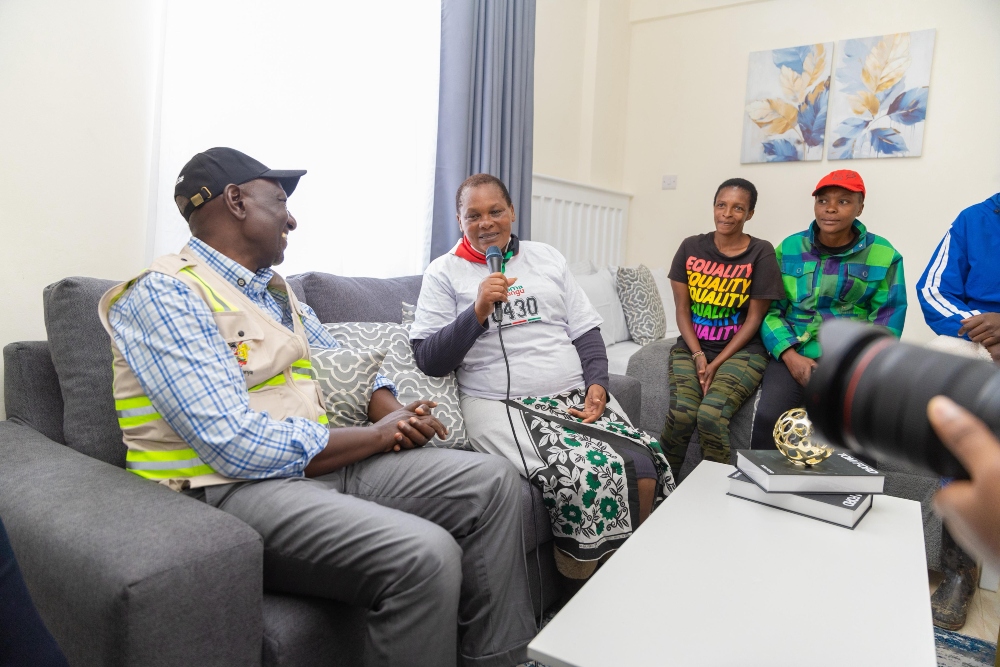
Today, Dickson pays Ksh 3,800 per month under the Mukuru “pay-to-own” model, a small price for a permanent sense of belonging. “Here, I am paying to own, not just rent,” he adds proudly. Residents like him were also given a three-month grace period, from May to August, before beginning payments, a gesture that allowed families to settle in with dignity.
For Rosina Mbithe, the change is felt most through her children’s laughter. “In the slum, play was unsafe, and water often mixed with sewage,” she recalls. “Today, my children play freely, and we have clean, reliable water. It is more than shelter, it is dignity.”
The Boma Yangu Mukuru Housing Estate stands as a powerful example of how the AHP is turning slum struggles into stories of hope. Each block tells a story of the transformation of families who once rented uncertainty but now own a piece of their future.